
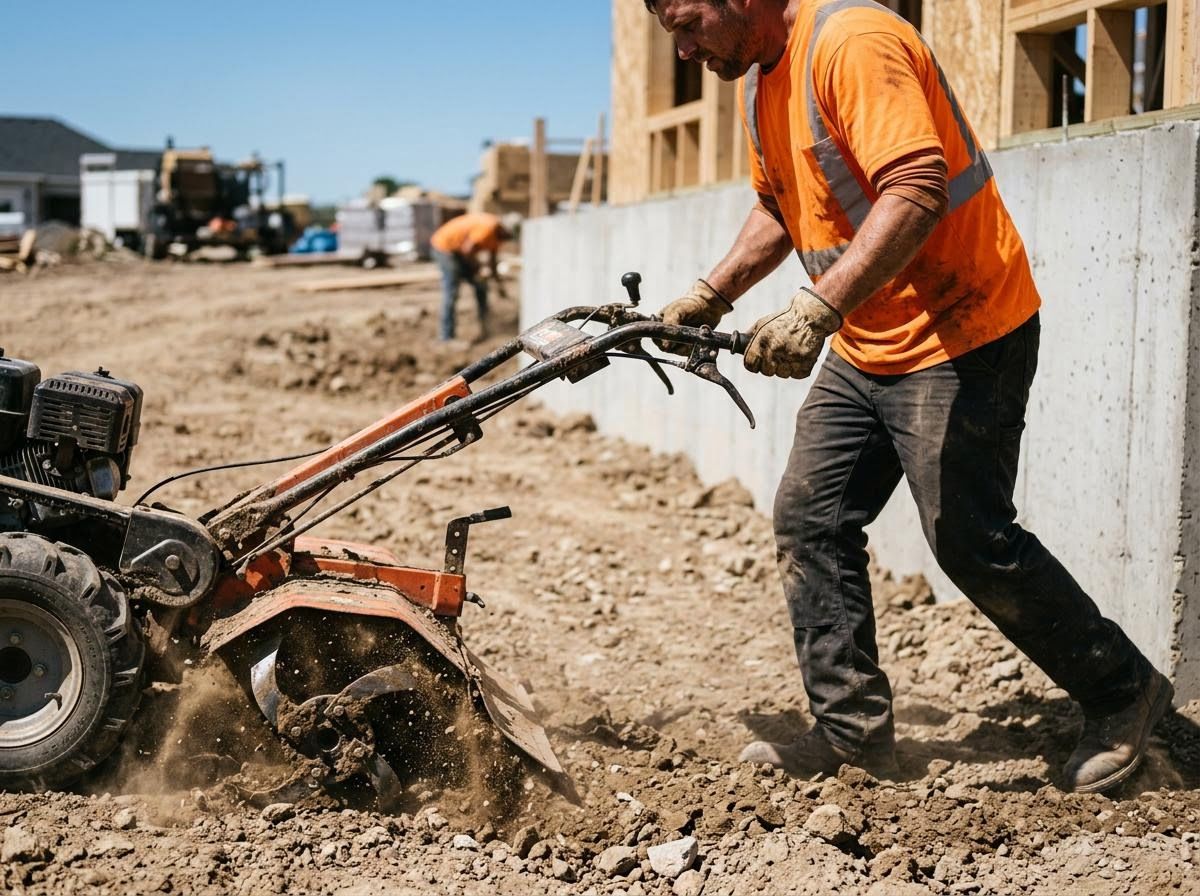
New construction projects, while exciting, often bring significant changes to the surrounding environment, particularly to your existing yard. The upheaval involved can impact everything from soil health to established plantings, necessitating careful planning and often a complete re-evaluation of your outdoor space. At Madison Daniel's Landscaping, we understand these challenges and the importance of preserving or restoring your landscape’s beauty and functionality.
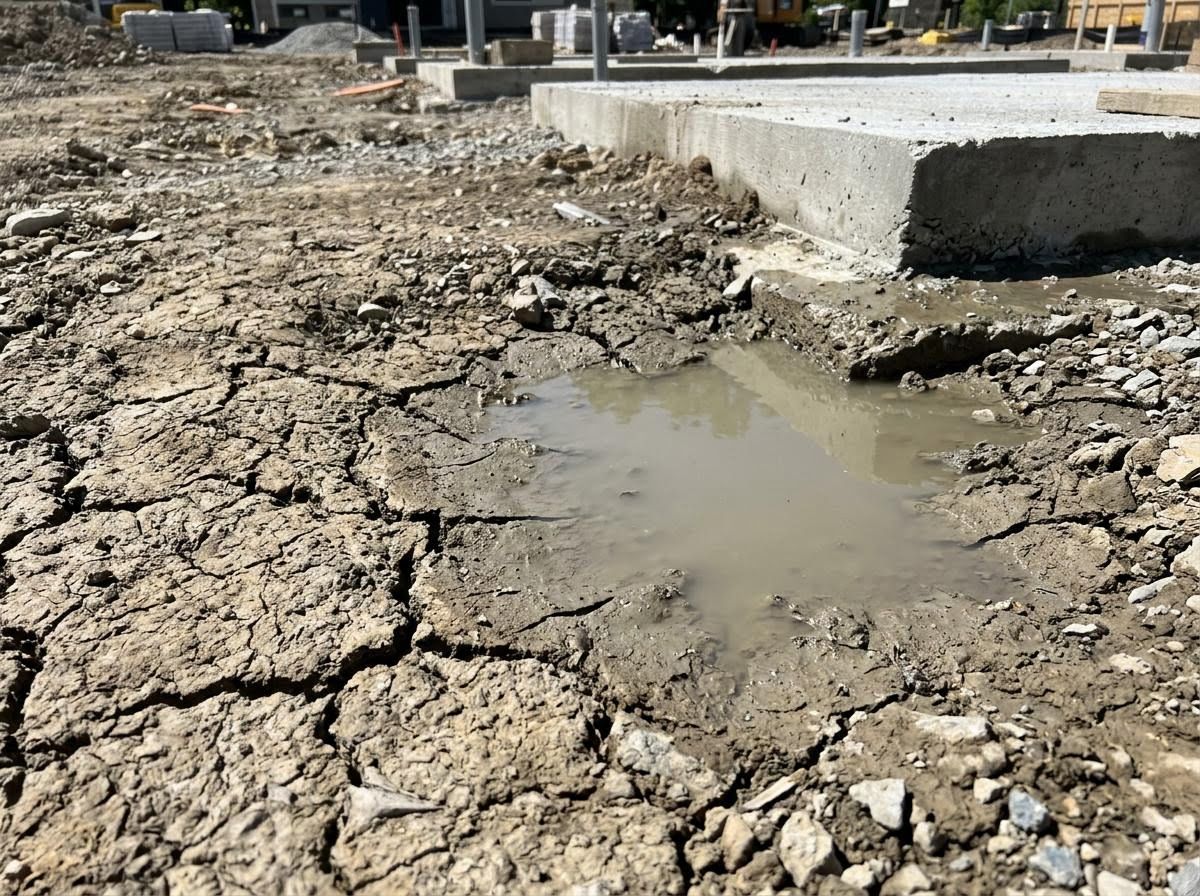
Understanding Soil Compaction and Drainage Issues
One of the most immediate and impactful effects of new construction on an existing yard is soil compaction. Heavy machinery, construction traffic, and material storage can compress the soil, reducing air pockets vital for root growth and water absorption. This compaction leads to poor drainage, making it difficult for plants to thrive and potentially causing water to pool in undesirable areas. Without proper soil remediation, which can involve deep tilling and organic matter amendments, your plants may suffer from lack of oxygen and nutrient uptake, leading to stressed or dying vegetation. Addressing these underlying soil issues is crucial before considering any new landscaping installations.
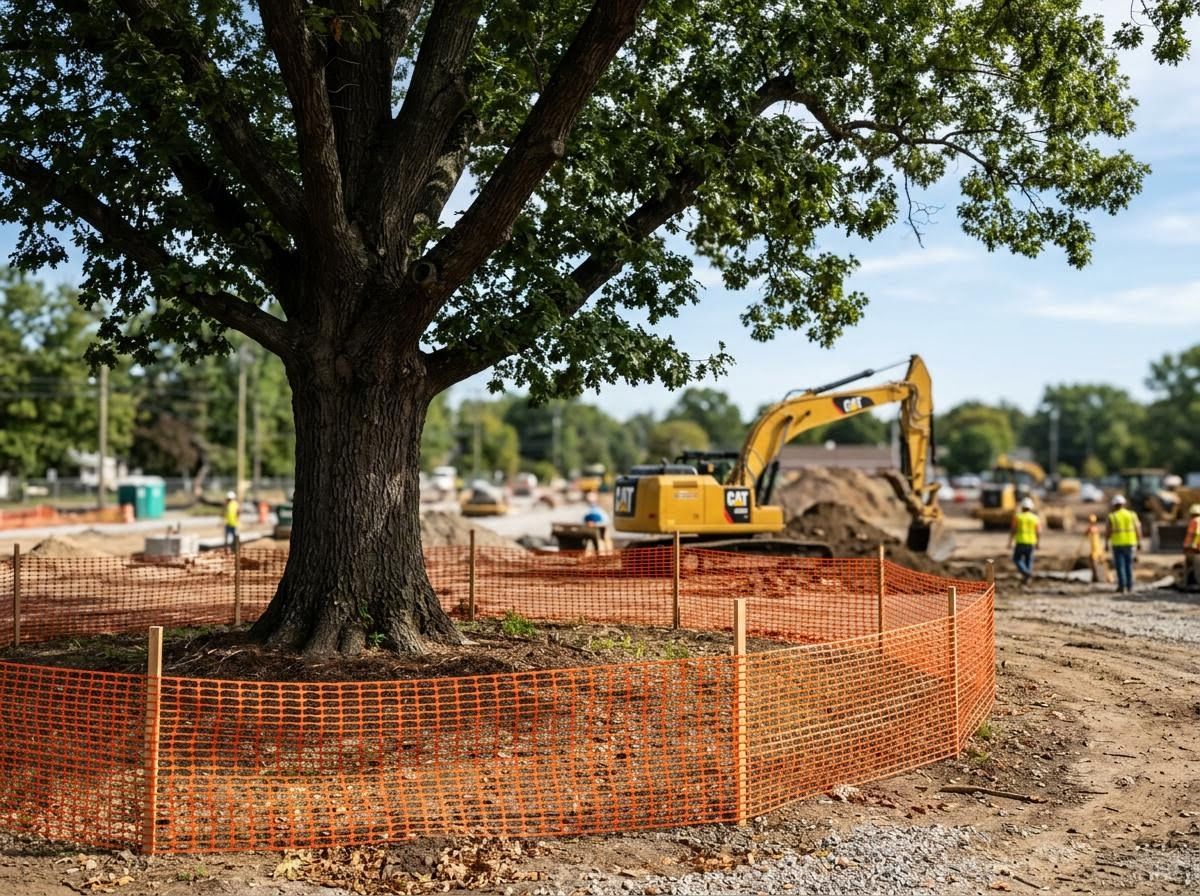
Protecting Existing Plantings and Structures
Existing trees, shrubs, and garden beds are particularly vulnerable during construction. Root systems can be damaged by excavation, heavy equipment can break branches or trunks, and changes in grade can expose roots or bury them too deeply. Similarly, existing hardscaping services like patios, walkways, or retaining walls can be cracked, dislodged, or covered in debris. Protecting these valuable assets requires proactive measures, such as installing temporary fencing around trees, creating clear pathways for construction vehicles, and carefully planning material staging areas to minimize impact. Sometimes, despite best efforts, some elements may need to be replaced or repaired as part of the overall landscaping restoration.
Managing Post-Construction Debris and Grading Changes
After construction concludes, yards are often left with a variety of debris, from small rocks and nails to larger pieces of discarded building materials. Beyond the visible mess, the finished grade of your property might be altered, affecting water runoff patterns and the overall aesthetic. Proper site cleanup and regrading are essential steps before any new landscaping can begin. This might involve bringing in fresh topsoil, sculpting new slopes for efficient water management, and preparing the ground for planting. Thoughtful custom home design for your outdoor spaces can help integrate the new structures with a revitalized landscape, ensuring a cohesive and functional environment.
Ultimately, new construction can transform your yard, presenting both challenges and opportunities for renewal. Understanding the potential impacts allows for better preparation and a more effective restoration process. Exploring professional landscaping options can help you navigate these changes, ensuring your outdoor space is not only beautiful but also sustainable and functional for years to come. Consider connecting with a local expert to discuss how to best revitalize your property after a construction project.