
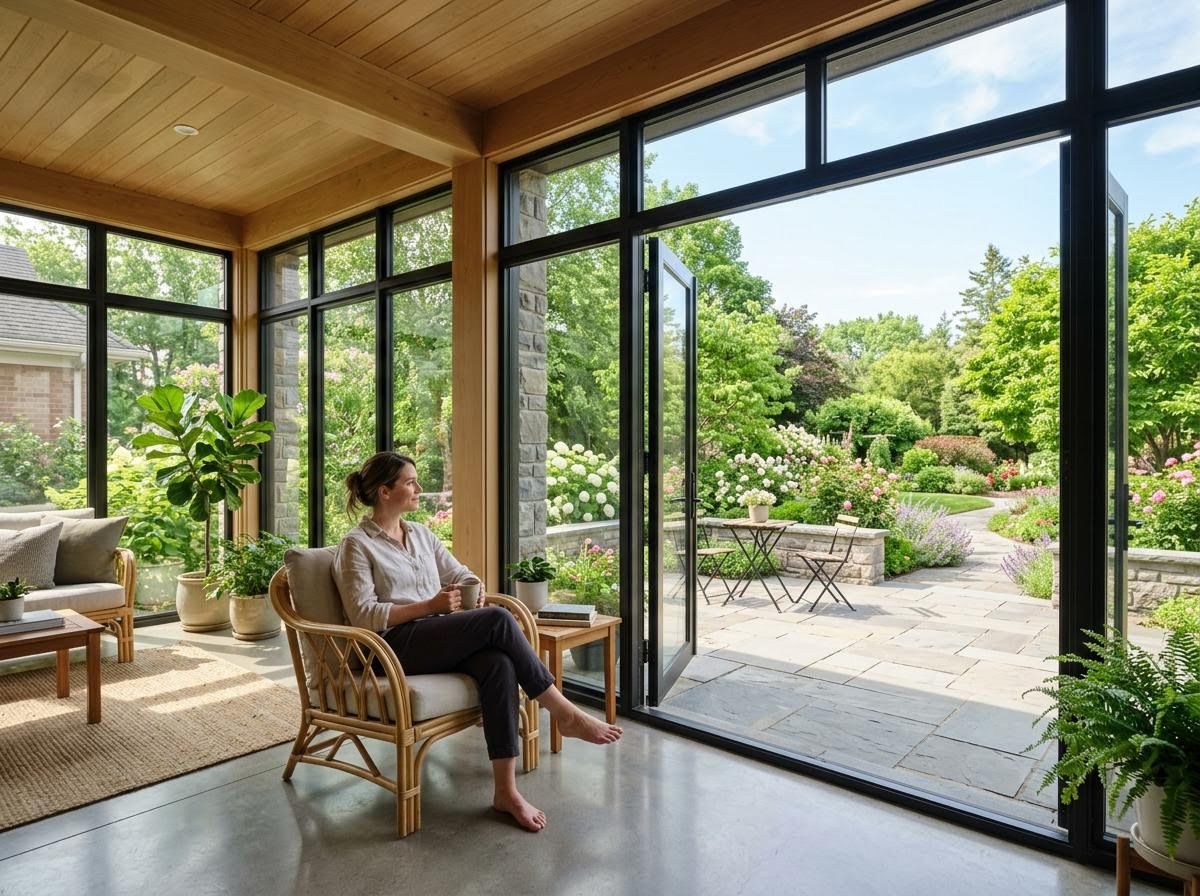
Embarking on a home addition project is an exciting endeavor that promises to enhance your living space and increase your property's value, but without a clear financial roadmap, it can quickly become overwhelming. At Madison Daniel's Landscaping, we understand that a seamless expansion requires thoughtful planning, especially when it comes to your budget, to ensure your dream home becomes a reality without unexpected financial strain.
Define Your Vision and Scope Clearly
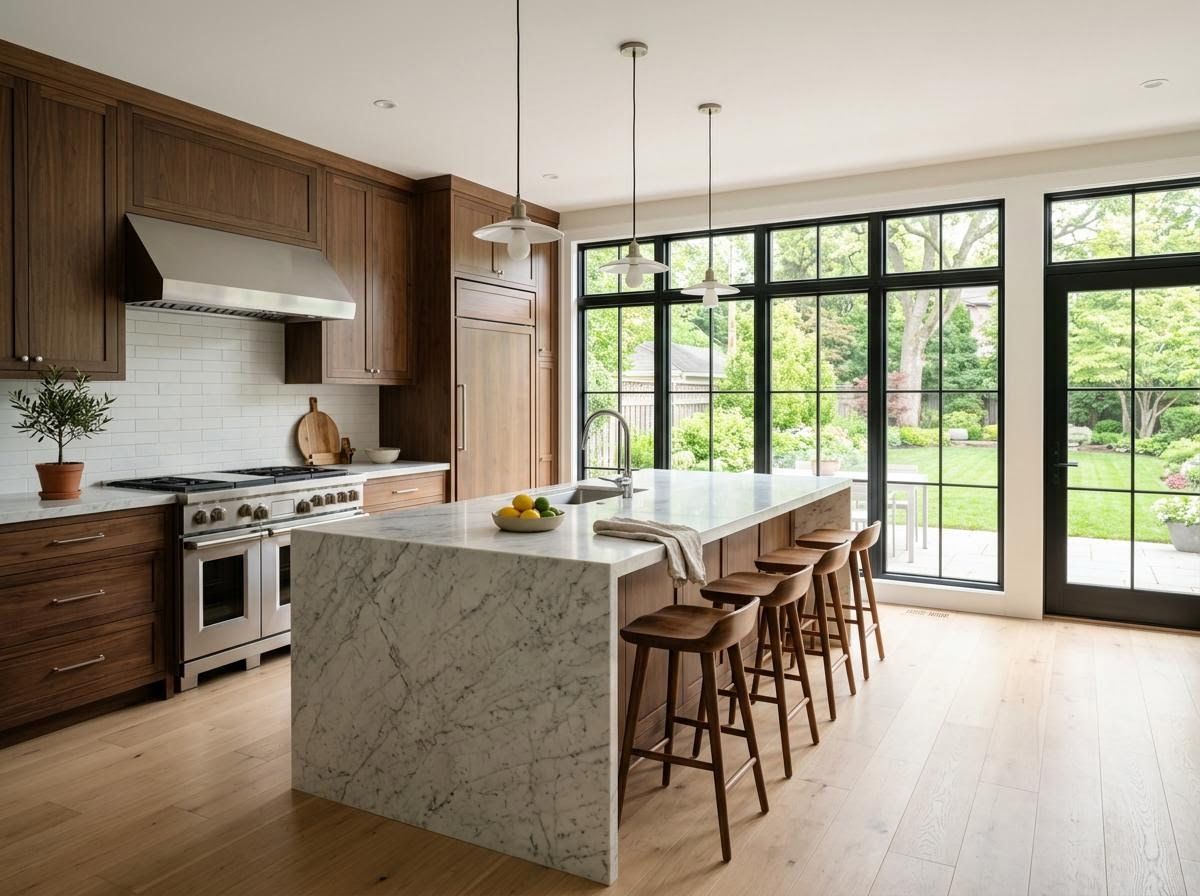
The first step in budgeting for any home addition is to meticulously define what you want to achieve. Are you dreaming of an expanded kitchen, a new master suite, or a sunroom that opens to your garden? Consider the size, purpose, and desired aesthetic of your new space. This initial clarity is crucial as it directly impacts material choices, structural requirements, and ultimately, the overall cost. Engaging with professionals who specialize in custom home design can help solidify these visions, providing preliminary sketches and estimates that will form the backbone of your budget.
Account for All Potential Costs
A comprehensive budget goes beyond just construction materials and labor. You'll need to factor in architectural plans, permits, inspections, and potentially even temporary living arrangements during construction. Don't forget about interior finishes like flooring, paint, fixtures, and appliances. Furthermore, always allocate a contingency fund, typically 10-20% of your total estimated project cost, for unforeseen issues that inevitably arise during construction, such as unexpected structural repairs or material delays. This buffer is vital for maintaining financial peace of mind.
Consider Exterior Integration and Enhancements
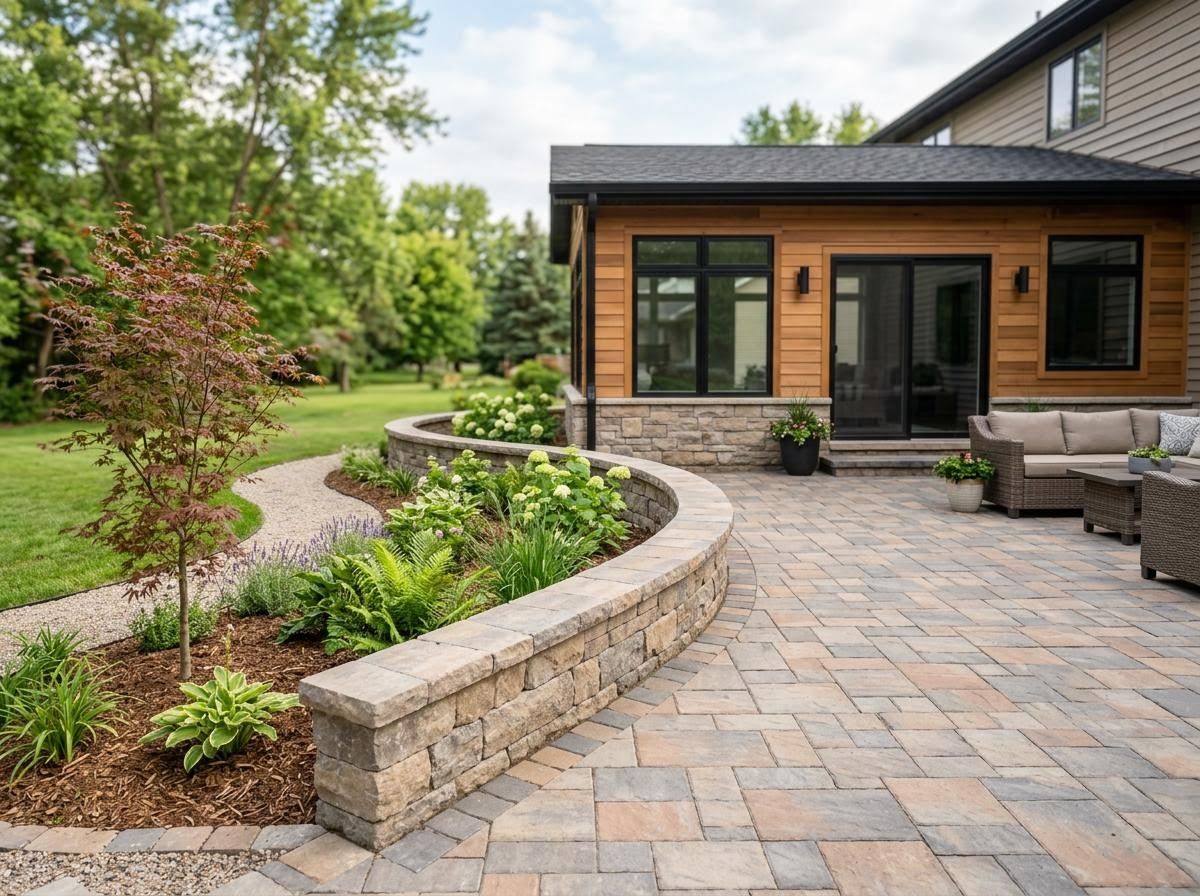
While your focus might primarily be on the interior of your new addition, it's essential to consider how it will integrate with your existing home and surrounding property. Expanding your home often means re-evaluating your exterior. This might include new pathways, patios, or retaining walls, which fall under hardscaping services. Think about the grading around the new structure for proper drainage and how new garden beds or trees might enhance its curb appeal, which is where landscaping expertise becomes valuable. Planning for these exterior elements concurrently can prevent additional, unplanned expenses down the line.
Prioritize and Phase When Necessary
If your ideal addition exceeds your current budget, consider prioritizing key elements and exploring the option of phasing your project. Breaking the project into smaller, manageable stages can make it more financially accessible over time. For example, you might complete the structural addition and essential utilities first, and then focus on high-end interior finishes or extensive exterior hardscaping services in a later phase. This approach allows you to spread out the financial investment while still moving towards your ultimate goal of an enhanced living space.
Budgeting for a home addition requires careful consideration and a proactive approach to planning for both the expected and unexpected. By meticulously defining your scope, accounting for all costs, and planning for seamless integration with your outdoor spaces, you can ensure a smooth process. If you're looking to enhance your property, whether through new landscaping around an addition or preparing for seasonal needs like snow removal, explore resources that can guide your custom home design and outdoor living goals. Contact us today!